Why Vanity Placement Matters More Than Style In Bathroom Design
Bathroom design discussions often focus on colours, finishes and decorative features. Homeowners regularly spend significant time comparing tiles, tapware and cabinetry styles in an effort to create a visually appealing space. While appearance certainly contributes to the overall feel of a bathroom, functionality plays a much larger role in how practical and comfortable the room becomes over time.
If you're considering
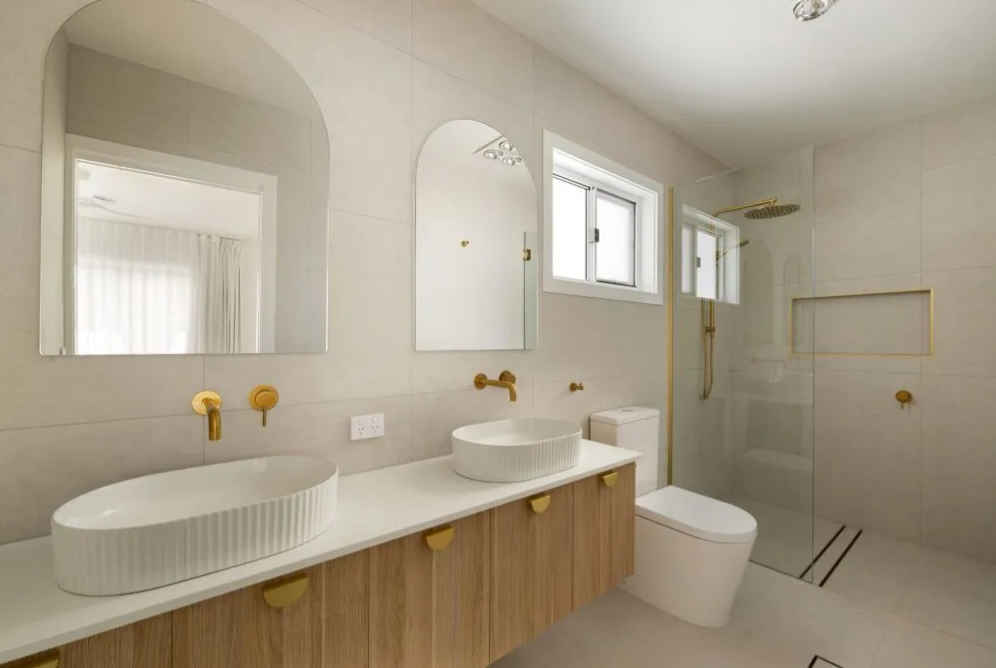
bathroom vanities on the Sunshine Coast, placement should be one of the first design decisions rather than an afterthought. The location of a vanity influences movement flow, accessibility, lighting, storage usability and overall space efficiency far more than style alone. A well-positioned vanity can improve everyday functionality significantly, while poor placement can make even a beautifully finished bathroom feel cramped or awkward to use.
Vanity Placement Affects Everyday Movement
Bathrooms are often used multiple times throughout the day, which means movement flow needs to feel comfortable and unobstructed. A vanity positioned without proper planning can create congestion around doors, showers and walkways.
When assessing movement flow, bathroom layouts should consider:
- Clearance space around the vanity and surrounding fixtures.
- Door swing directions and walkway access.
- How multiple people may use the space simultaneously.
Even in larger bathrooms, poorly positioned cabinetry can interrupt the natural flow of the room. Careful placement helps the bathroom feel more open, practical and comfortable during daily use.
Poor Placement Can Make Small Bathrooms Feel Smaller
In compact bathrooms, every centimetre matters. Oversized or poorly positioned vanities can quickly reduce usable floor space and make the room feel more confined than necessary.
To improve functionality in smaller bathrooms, designers focus on:
- Maintaining clear movement pathways.
- Positioning vanities to maximise visual openness.
- Avoiding layouts that obstruct entry or shower access.
Thoughtful vanity positioning helps smaller bathrooms function more efficiently without sacrificing storage or usability. In many cases, placement decisions have a greater impact than the vanity style itself.
Accessibility Matters More Than Appearance
A bathroom should remain practical and accessible for all users. Vanity placement directly affects how easily people can access storage, use mirrors and move comfortably throughout the room.
Practical vanity positioning helps improve:
- Comfortable access to drawers and cabinetry.
- Mirror usability from different standing positions.
- Safe movement around wet areas and fixtures.
While visual appeal may attract attention initially, long-term usability becomes far more important once the bathroom is used every day. Accessibility-focused layouts help support both convenience and comfort over time.
Vanity Placement Influences Storage Efficiency
Storage usability depends not only on how much storage is available but also on how easy it is to access. Poorly positioned vanities can make drawers difficult to open fully or create awkward access near doors and walls.
To improve storage functionality, bathroom layouts should allow for:
- Full drawer and cabinet door clearance.
- Easy access without obstructing surrounding fixtures.
- Practical organisation of frequently used items.
Homeowners researching bathroom vanities on the Sunshine Coast are often focused on colours and finishes initially, but storage accessibility usually becomes one of the most important long-term considerations once the bathroom is in daily use.
Lighting Works Best with Proper Positioning
Vanity lighting plays an important role in tasks such as grooming, shaving and makeup application. However, even high-quality lighting can perform poorly if the vanity is positioned incorrectly within the room.
Effective vanity placement helps improve:
- Access to natural light where available.
- Mirror visibility without excessive shadows.
- Integration with overhead and wall-mounted lighting.
Positioning a vanity too far from natural light sources or relying solely on overhead lighting can reduce practicality significantly. Careful planning helps create a more functional and balanced lighting setup.
Plumbing Layouts Affect Practical Design Choices
While homeowners often focus heavily on appearance, plumbing locations influence where vanities can realistically function best within the bathroom. Ignoring plumbing constraints may create unnecessary complexity or increase renovation costs.
Vanity placement decisions commonly consider:
- Existing plumbing access points.
- Drainage and water supply positioning.
- Space available for efficient pipework installation.
Working with the existing plumbing layout where possible often creates a more efficient renovation process while still allowing for attractive and functional design outcomes.
Proximity to Showers & Toilets Matters
The relationship between the vanity, shower and toilet significantly affects how comfortable the bathroom feels during use. Poor fixture spacing can create cramped movement and reduce privacy within the room.
A balanced bathroom layout allows for:
- Comfortable separation between key fixtures.
- Clear movement between wet and dry areas.
- Better use of available floor space.
Thoughtful spacing improves the overall practicality of the bathroom while helping avoid layouts that feel overcrowded or difficult to navigate.
Larger Bathrooms Still Need Functional Layouts
Extra space does not automatically guarantee a functional bathroom. In larger bathrooms, poor vanity positioning can create unnecessary walking distances or awkward gaps that reduce efficiency.
To maintain balance in larger bathrooms, layouts should support:
- Convenient access between fixtures.
- Logical positioning of storage and mirrors.
- Consistent visual balance across the room.
Well-planned layouts help larger bathrooms feel cohesive and practical rather than oversized without purpose.
Functional Design Improves Long-Term Comfort
Bathroom trends and finishes change over time, but functionality remains important throughout the lifespan of the space. A stylish vanity may look appealing initially, but poor placement can become frustrating very quickly in daily use.
Function-focused bathroom design helps support:
- Better comfort during everyday routines.
- Improved usability for changing household needs.
- More efficient use of available space.
Prioritising layout and placement early in the design process helps create bathrooms that remain practical and comfortable long after visual trends evolve.
Creating Bathrooms That Balance Style & Practicality
Visual design will always play an important role in bathroom renovations, but functionality should guide the overall layout. Vanity placement affects movement, accessibility, storage and usability in ways that influence the bathroom experience every single day. A well-positioned vanity can improve comfort and efficiency far more than expensive finishes alone.
Foreshore Kitchens works with homeowners to create bathroom spaces that balance functionality, comfort and visual appeal while making the most of the available layout. From compact ensuites to larger family bathrooms, carefully planned bathroom vanities on the Sunshine Coast can make a significant difference to how practical and enjoyable a space feels long term. If you are planning a bathroom renovation or updating your cabinetry layout, get in touch with the team to discuss practical vanity solutions tailored to your home.